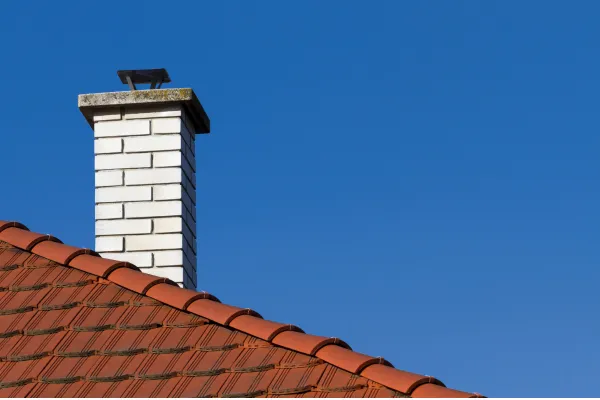
Why Chimney Maintenance Is Part of Roof Health
Most homeowners think of their chimney and their roof as two separate things. They're not. Your chimney passes directly through your roof, shares critical flashing connections, and affects how water moves across your entire roofing system. When chimney maintenance is neglected, the consequences don't stay contained to the chimney — they spread into your roof deck, attic, framing, and interior ceilings.
The relationship between chimney condition and roof health is one of the most overlooked aspects of home maintenance. This guide explains exactly how your chimney and roof work together, what happens when chimney problems are ignored, and when to call BT Roofing & Construction at +1 240-624-7887 before a chimney issue becomes a full roofing problem.
How Your Chimney and Roof Are Connected
To understand why chimney maintenance matters for roof health, it helps to understand how the two systems interact physically.
Your chimney is a masonry or prefabricated structure that rises from inside the home, passes through the roof deck, and extends above the roofline. At the point where the chimney meets the roof surface, a system of metal flashing creates a watertight seal between the two structures. This flashing — typically installed in two layers called step flashing and counter flashing — is what prevents water from entering the gap between the chimney and the surrounding roof.
The chimney also affects how water flows across your roof. Depending on its size and position, a chimney creates a shadow zone on the downhill side where debris accumulates, water pools, and ice builds up in winter. That accumulated moisture sits against the roof surface and the chimney base continuously — accelerating wear on both.
When the chimney itself is structurally sound and properly maintained, this connection point functions as designed. When it isn't, the consequences flow directly into your roof.
How Chimney Problems Damage Your Roof
1. Flashing Failure at the Chimney Base
Chimney flashing is the single most common point of roof leak origin in homes with fireplaces. It is also the most direct connection between chimney condition and roof health.
Flashing fails for several reasons. The sealant that holds counter flashing to the chimney masonry dries out and cracks over time — typically within five to ten years without maintenance. When the chimney mortar itself deteriorates, the flashing loses its secure attachment point and begins to lift and separate. In freeze-thaw cycles, expanding and contracting masonry pulls the flashing away from the chimney face.
Once the flashing seal is broken — even partially — water enters the gap between the chimney and roof surface with every rain event. That water travels down into the roof deck, saturates the underlayment, and works its way into the attic and ceiling below.
What to watch for:
Water stains on interior ceilings or walls near the fireplace
Visible gaps or separation between flashing and the chimney face
Rust staining running down from the chimney base onto the roof surface
Flashing that appears lifted, bent, or pulled away at any point around the chimney perimeter
Flashing repairs around a chimney require both roofing and masonry knowledge — which is why this is a job for a contractor experienced in both systems.
2. Cracked or Deteriorating Mortar Joints
Mortar is the material that holds the individual bricks or stones of your chimney together. It is also the most vulnerable component of the chimney structure. Mortar is porous, and repeated exposure to rain, freeze-thaw cycling, and UV radiation causes it to crack, crumble, and erode over time.
When mortar joints deteriorate, water enters the chimney masonry itself. That water freezes in winter, expands, and widens the existing cracks — a process called spalling. Over multiple seasons, this cycle causes bricks to crack, shift, and eventually come loose.
A chimney with severely deteriorated mortar is structurally unstable. Loose bricks that fall onto the roof cause direct physical damage to shingles and flashing. And the open mortar joints allow water to travel down through the chimney structure and into the roof assembly at the base.
What to watch for:
Visible crumbling, missing, or recessed mortar between chimney bricks
Brick faces that are cracking, flaking, or splitting — a condition called spalling
White chalky staining on the chimney exterior — called efflorescence — which indicates water moving through the masonry
Bricks that appear shifted, misaligned, or loose when inspected from a safe vantage point
Mortar repointing — the process of removing deteriorated mortar and replacing it with fresh material — is a straightforward repair when caught early. Left unaddressed, mortar deterioration leads to full chimney rebuilding and significant roof damage.
3. A Missing or Damaged Chimney Cap
The chimney cap sits at the very top of the chimney, covering the flue opening. Its job is to prevent rain, snow, debris, birds, and animals from entering the chimney directly. It also reduces downdraft that can push smoke and moisture back into the home.
A missing or damaged chimney cap allows rain to fall directly into the flue. That water runs down the interior walls of the chimney, saturates the mortar and brick from the inside, and accelerates the deterioration process from within. It also increases the moisture load at the chimney base — where the flashing connection to the roof is located.
In many cases, a missing chimney cap is the starting point for a chain of deterioration that eventually reaches the roof and attic.
What to watch for:
A chimney cap that is visibly absent, cracked, or shifted from its proper position
Debris — leaves, twigs, animal nesting material — visible at the top of the chimney flue
Evidence of animal entry in the attic or fireplace area
Increased moisture or efflorescence on the upper chimney exterior
Chimney cap replacement is one of the least expensive chimney maintenance tasks — and one of the most effective at preventing a wide range of downstream problems.
4. Crown Deterioration
The chimney crown is the concrete or mortar cap that covers the top of the chimney structure around the flue liner. Unlike the chimney cap — which covers the flue opening itself — the crown covers the entire top surface of the chimney and directs water away from the masonry below.
A properly functioning crown slopes outward from the flue and overhangs the chimney edge slightly, directing water away from the brick face. When the crown cracks — which happens through freeze-thaw cycling and general weathering — water enters those cracks and accelerates masonry deterioration below.
A severely deteriorated crown can allow water to penetrate directly into the chimney structure and work its way down to the roof connection point.
What to watch for:
Visible cracks running across the crown surface — even hairline cracks warrant attention
Crown material that is crumbling or missing in sections
Water staining on the upper chimney exterior directly below the crown
Efflorescence on the chimney face below the crown line
Crown repairs and waterproof sealant application extend chimney life significantly and protect the roof connection below.
5. Debris Accumulation at the Chimney Base
Where the chimney meets the roof, the downhill side creates a natural collection point for leaves, twigs, and other debris. This debris accumulation creates several problems for the surrounding roof.
Wet debris holds moisture against the shingles and flashing at the chimney base continuously — accelerating shingle granule loss, promoting algae and moss growth, and keeping the flashing sealant in a perpetually wet condition that breaks down the material faster than normal weathering alone.
In autumn and winter, debris accumulation at the chimney base can contribute to ice dam formation. Debris blocks proper water drainage from the area, causing water to back up under shingles and freeze at the roof surface.
What to watch for:
Visible debris accumulation against the chimney base on the downhill side
Dark streaking or staining on shingles adjacent to the chimney
Moss or algae growth concentrated around the chimney base
Ice buildup at the chimney base during winter months
Regular clearing of debris from around the chimney base is a simple maintenance task that meaningfully extends the life of both the chimney flashing and the surrounding shingles.
6. Structural Chimney Lean or Separation
A chimney that is visibly leaning, separating from the home's exterior wall, or showing signs of foundation movement is a structural emergency — not just a maintenance concern. But it also has direct implications for roof health.
As a chimney shifts or leans, it pulls the flashing connection with it. That movement tears the flashing seal, opens gaps in the counter flashing, and creates pathways for water intrusion that are impossible to seal permanently until the structural issue is resolved.
A leaning chimney also places uneven weight and stress on the roof deck around the chimney opening — potentially compromising the structural integrity of the surrounding framing.
What to watch for:
A chimney that visibly leans in any direction when viewed from a distance
Gaps opening between the chimney exterior and the adjacent siding or exterior wall
Cracks in the interior drywall near the fireplace or chimney wall
Flashing that is consistently pulling away despite repeated resealing attempts
Structural chimney issues require immediate professional assessment. This is not a situation where monitoring and delaying is a safe option.
How Often Should Chimney and Roof Flashing Be Inspected?
The general recommendation for chimney inspection is once per year — ideally in late summer or early fall before the heating season begins. That timing allows any issues to be identified and repaired before winter weather and freeze-thaw cycling accelerate existing deterioration.
Chimney flashing specifically should be inspected every time your roof is inspected — at minimum twice per year. Because flashing is the direct connection point between the chimney and the roof, its condition affects both systems simultaneously.
After any significant storm — particularly one with high winds or hail — chimney inspection is always worth scheduling. Hail can crack chimney caps and damage mortar. High winds can lift flashing and shift chimney caps from their proper position.
Signs the Chimney Is Already Affecting Your Roof
By the time chimney problems are causing visible interior damage, the issue has typically been developing for months. Watch for these signs that chimney condition is already impacting your roof:
Water stains on ceilings or walls near the fireplace or chimney wall
Damp or musty smell in rooms adjacent to the chimney
Attic insulation that is damp or compressed near the chimney penetration
Shingles around the chimney base that are losing granules faster than the rest of the roof
Daylight visible around the chimney base when inspecting from the attic
Flashing that requires resealing more frequently than every few years
Any of these signs warrants a professional inspection of both the chimney and the surrounding roof system — not just one or the other.
Why Chimney and Roof Work Should Be Handled Together
Chimney repairs and roof repairs at the chimney connection point are not independent projects. A roofer who replaces flashing without addressing deteriorated chimney mortar is installing new flashing against a failing surface — the new seal will fail prematurely for the same reason the old one did.
Similarly, a chimney contractor who repoints mortar without inspecting the flashing condition and surrounding shingles may miss the water damage that the chimney deterioration has already caused to the roof deck below.
BT Roofing & Construction handles both sides of this connection — chimney repair and rebuild alongside roof flashing replacement, shingle repair, and full roof inspection. That integrated approach ensures that repairs address the complete system rather than just one component of it.
Why BT Roofing & Construction
BT Roofing & Construction is a licensed and insured contractor serving homeowners across Anne Arundel County, Howard County, Prince George's County, Montgomery County, Baltimore City, and Baltimore County. We provide chimney repair and rebuild, roof flashing replacement, full roof inspections, storm damage restoration, and complete exterior services — all backed by honest assessments, quality materials, and professional workmanship.
Every project is completed with attention to how each component of your home's exterior system works together — because that integrated approach is what delivers results that actually last.
📞 Call +1 240-624-7887 to schedule your free chimney and roof inspection today.
FAQ: Chimney Maintenance and Roof Health
How often should chimney flashing be inspected? Chimney flashing should be inspected at least twice a year — spring and fall — alongside your regular roof inspections. After any significant storm, an additional inspection is always a smart precaution. Flashing sealant typically needs reapplication every five to ten years under normal conditions.
Can a chimney cause a roof leak? Yes — and it is one of the most common causes of residential roof leaks. Failed flashing at the chimney base, deteriorated mortar, a missing chimney cap, and cracked chimney crowns all create pathways for water to enter the roof assembly at the chimney connection point.
What is chimney repointing? Repointing is the process of removing deteriorated mortar from between chimney bricks and replacing it with fresh mortar. It restores the structural integrity of the chimney masonry and closes the gaps that allow water infiltration. It is a standard maintenance repair for chimneys over 15 to 20 years old.
Do I need both a chimney cap and a chimney crown? Yes — they serve different functions. The chimney crown covers the entire top surface of the chimney structure and directs water away from the masonry. The chimney cap covers the flue opening specifically and prevents rain, debris, and animals from entering the flue directly. Both are necessary for a properly protected chimney.
Can BT Roofing & Construction handle both chimney and roof repairs? Yes. BT Roofing & Construction handles chimney repair and rebuild alongside roof flashing replacement, shingle repair, and full roof inspection — ensuring that both systems are addressed together for complete, lasting results.
Your Chimney and Roof Are One System. Treat Them That Way.
A chimney that looks fine from the street may be quietly compromising your roof through failed flashing, deteriorated mortar, a missing cap, or a cracked crown. And a roof leak near the fireplace wall is almost never just a roofing problem — it is a chimney problem that has reached the roof.
The homeowners who maintain both systems together avoid the compounding costs of damage that spreads from one into the other. The ones who treat them separately end up paying to fix the same problem twice.
BT Roofing & Construction is ready to help. We serve homeowners across Maryland with free inspections, chimney repair and rebuild, roof flashing replacement, and complete exterior services backed by quality workmanship and honest pricing.
📞 Call +1 240-624-7887 today to schedule your free chimney and roof inspection.
