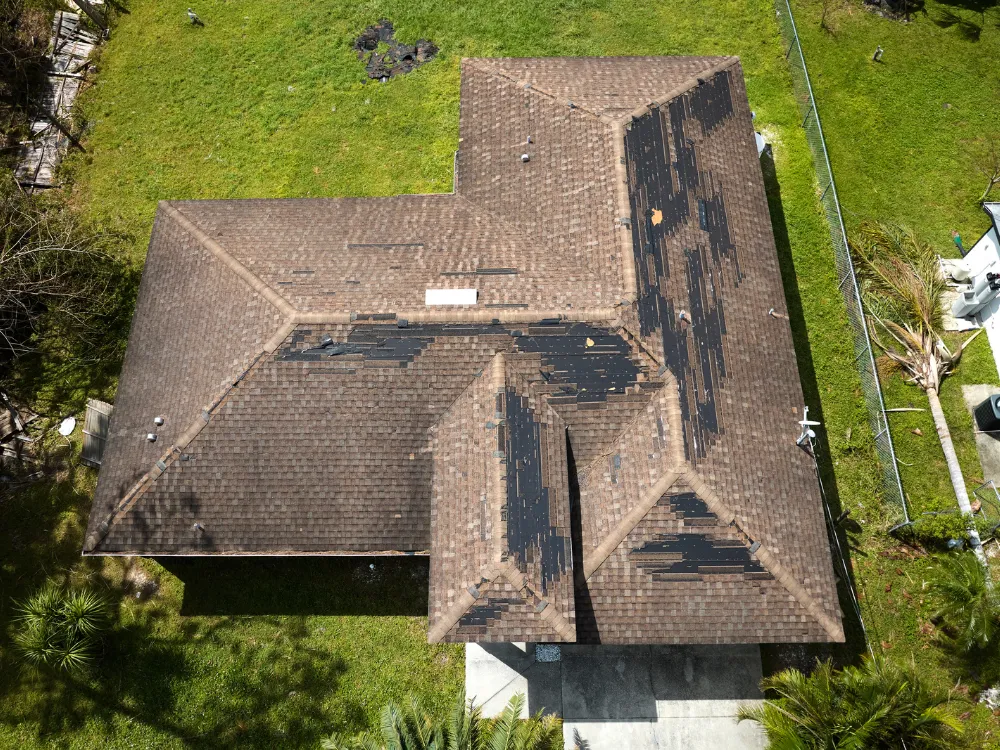
Signs Your Roof Has Storm Damage Every Homeowner Should Know
Why Storm Damage Is Easy to Miss
Most homeowners only think about their roof when something is visibly wrong — a water stain on the ceiling, a shingle in the yard, or a leak during heavy rain. But storm damage often hides in places you can't see from the ground or inside the house.
Wind, hail, and heavy rain don't just knock shingles loose. They crack granule coatings, lift flashing, clog gutters with debris, and weaken the structural integrity of your roof over time. A roof that looks fine after a storm may already be failing in ways that only a trained eye can catch.
That's why a professional inspection after every major storm isn't optional — it's the smartest thing a homeowner can do to protect their property.
Common Types of Storm Damage to Watch For
1. Hail Damage
Hail is one of the most destructive and deceptive forces a roof faces. Hailstones don't have to be large to cause serious damage. Even small hail — under an inch in diameter — can knock granules off asphalt shingles, leaving the underlying mat exposed to UV rays and moisture.
Signs of hail damage include:
Dark circular dents or bruising on shingles
Granules collecting in gutters or at the base of downspouts
Cracked or split shingles with no clear edge pattern
Dented metal components like vents, flashing, or gutters
Soft spots on shingles that feel spongy when pressed
Hail damage weakens the waterproofing layer of your shingles. Once that layer is compromised, every rain event pushes water closer to your decking and into your home.
2. Wind Damage
High winds during thunderstorms, tropical systems, or nor'easters can lift, curl, crack, and tear shingles — sometimes removing them entirely. But wind damage doesn't always mean shingles fly off the roof. Partial lifting is just as dangerous.
Signs of wind damage include:
Missing shingles or large bare patches on the roof
Shingles that are curling at the edges or corners
Shingles that look raised or uneven from the ground
Exposed nail heads or visible decking in certain areas
Damaged or missing ridge cap shingles along the peak of the roof
Wind gets under shingles that were already weakened by age, poor installation, or previous storm events. A roof that survives one storm with minor lifting may fail completely in the next one. Wind damage almost always requires professional assessment to identify the full extent of what's affected.
3. Water and Rain Damage
Heavy rainfall alone can expose vulnerabilities in your roof that weren't visible before the storm. Pooling water, overwhelmed gutters, and compromised flashing all allow moisture to penetrate areas that should stay dry.
Signs of water-related storm damage include:
Water stains on ceilings or interior walls after a storm
Bubbling, peeling, or discolored paint near the roofline
Damp insulation in the attic
Visible daylight coming through the attic boards
Soft or sagging areas on the roof deck when viewed from inside
Water damage compounds quickly. Moisture that enters through a small gap in flashing or a lifted shingle can saturate insulation, rot decking, and eventually reach your drywall and framing. The longer it sits, the worse the damage becomes.
4. Flashing Damage
Flashing is the thin metal material installed around chimneys, skylights, vents, and roof valleys to direct water away from seams and joints. It's one of the most critical parts of your roofing system — and one of the first things storms compromise.
Signs of flashing damage include:
Visible gaps or separations around the chimney base
Rust staining or corrosion on metal flashing
Flashing that appears lifted, bent, or pulled away from the roof surface
Water stains inside the home near chimneys or skylights
Flashing failures are a leading cause of roof leaks. Because the damage is often hidden under shingles or at angles that are hard to see from the ground, homeowners frequently miss it until a leak develops.
5. Gutter Damage
Your gutters are directly connected to your roof's health. During storms, gutters collect debris, bear the weight of heavy rainfall, and take direct hits from hail and falling branches. Damaged or clogged gutters can't move water away from your home properly — and that creates problems at the roofline, fascia, and foundation.
Signs of storm-related gutter damage include:
Gutters pulling away from the fascia board
Visible dents, cracks, or holes in gutter sections
Gutters overflowing during rain even after cleaning
Large amounts of shingle granules collecting inside gutters
Water pooling near the foundation after storms
Granules in the gutters are a particularly telling sign. They indicate that your shingles are losing their protective coating — which means your roof's lifespan is shortening with every storm.
6. Chimney and Vent Damage
Chimneys and roof vents stick up above the roofline, which makes them especially vulnerable during high-wind events. Cracked mortar, displaced caps, and damaged vent covers all create entry points for water and pests.
Signs of chimney and vent storm damage include:
Cracked or missing mortar between chimney bricks
A chimney cap that's shifted, damaged, or missing entirely
Cracked or split vent covers on the roof surface
Debris packed around vent openings
Water stains on interior walls near the fireplace
Even minor chimney damage accelerates moisture intrusion and structural deterioration if left unaddressed.
How to Check for Storm Damage Safely
You don't need to climb on your roof to spot warning signs. In fact, getting on the roof without proper training and equipment is dangerous and can cause additional damage. Here's how to do a basic ground-level assessment:
From the ground:
Walk the perimeter of your home and look up at the roofline from multiple angles
Use binoculars to get a closer look at shingles, flashing, and ridgeline
Check gutters and downspouts for dents, separation, or granule buildup
Look for shingle pieces or debris in your yard or driveway
From the attic:
Go inside the attic during daylight hours with a flashlight
Look for any light coming through the decking boards
Check for damp insulation, dark staining, or soft spots on the wood
Note any musty smell, which often indicates moisture intrusion
After heavy rain:
Check your ceilings and upper walls for new stains or damp patches
Look for bubbling paint near the roofline or around windows
If any of these checks turn up something concerning, stop there. Don't attempt repairs yourself. Call a licensed roofing contractor to conduct a full professional inspection.
What Happens If You Ignore Storm Damage
Homeowners sometimes delay addressing storm damage because the roof appears to still be functioning. No active leak, no visible collapse — so why rush? Here's what that delay actually costs:
Structural deterioration — Water that reaches the decking begins rotting the wood within days. Once the decking is compromised, the entire roof structure weakens.
Mold growth — Damp insulation and wood framing are ideal conditions for mold. Mold remediation on top of roofing repairs significantly increases your total cost.
Higher repair bills — A $500 flashing repair ignored for six months can turn into a $5,000 decking replacement. The longer storm damage sits, the more it spreads.
Insurance complications — Most insurance policies require that you take reasonable steps to protect your home after a storm. Waiting too long to report damage or make temporary repairs can give your insurer grounds to reduce or deny your claim.
Voided warranties — Some roofing material warranties require that damage be reported and addressed within a specific window after the storm event.
Acting quickly after a storm isn't just smart — it protects your financial investment in your home.
When to Call a Professional Roofing Contractor
Some roof checks are safe to do yourself from the ground or attic. But the actual inspection, damage assessment, and any repair work should always go to a licensed professional. Here's when to make that call:
Immediately after any storm that brought hail, high winds, or heavy rain
When you notice granules collecting in your gutters after a storm
If you see any shingles missing, lifted, or visibly cracked
When water stains appear inside your home after a storm
Before filing an insurance claim — a professional inspection documents everything properly
If your roof is over 15 years old and has experienced multiple storm seasons
BT Roofing & Construction provides free inspections and works directly with homeowners through the insurance claim process to make sure nothing is missed and nothing is overpaid out of pocket.
Why BT Roofing & Construction
BT Roofing & Construction is a licensed and insured roofing contractor serving homeowners across Anne Arundel County, Howard County, Prince George's County, Montgomery County, Baltimore City, and Baltimore County. Our team specializes in storm damage assessment, insurance claim assistance, and full roof restoration.
We show up fast, inspect thoroughly, document everything for your claim, and complete every repair with quality materials and professional workmanship. No surprise charges. No pressure. Just honest service from a team that knows roofing.
📞 Call +1 240-624-7887 to schedule your free roof inspection today.
FAQ: Storm Damage and Your Roof
How soon after a storm should I have my roof inspected? As soon as possible — ideally within 24 to 72 hours. Many insurance policies have time limits on reporting storm damage, and waiting allows existing damage to worsen.
Can I file an insurance claim for hail damage? Yes. Hail damage is typically covered under standard homeowner's insurance policies as a weather-related event. A professional inspection provides the documentation your insurer needs to process the claim.
What if my roof looks fine from the ground? Storm damage is frequently invisible from street level. Granule loss, flashing separation, and early-stage shingle cracking require a close-up inspection to identify. Always get a professional assessment after a significant storm, even if nothing looks obviously wrong.
Does storm damage always mean a full roof replacement? Not necessarily. Many storm damage scenarios are addressed through targeted repairs — replacing damaged sections, resealing flashing, or patching isolated areas. A full replacement is only recommended when the damage is widespread or when the roof is near the end of its service life.
Will a roofing contractor help me with my insurance claim? BT Roofing & Construction assists homeowners through the entire insurance process — from the initial inspection and damage documentation to working directly with adjusters to ensure your claim reflects the true scope of the damage.
Protect Your Home. Don't Wait After a Storm.
Storm damage doesn't announce itself with a ceiling collapse. It works quietly — through lifted shingles, cracked flashing, granule loss, and slow moisture intrusion — until the damage is impossible to ignore and far more expensive to fix.
The smartest thing you can do after any major storm is get a professional inspection from a contractor who knows what to look for and how to document it properly.
BT Roofing & Construction is ready to help. We serve homeowners across Maryland with free inspections, honest assessments, and reliable repairs backed by quality workmanship.
📞 Call +1 240-624-7887 today to schedule your free storm damage inspection.
