Common Causes of Roof Leaks and How to Prevent Them
Common Causes of Roof Leaks and How to Prevent Them
Roofing | May 01, 2026 • 11 min read
A leaking roof rarely happens without warning. Long before water stains appear on your ceiling, your roof is giving off signs that something is wrong. Damaged shingles, failing flashing, clogged gutters, and worn sealants all create pathways for water to enter your home — slowly and silently — until the damage becomes impossible to ignore.
The good news is that most roof leaks are preventable. Understanding what causes them and what to watch for puts you ahead of the problem before it becomes an expensive repair. This guide walks you through the most common causes of roof leaks, how to spot early warning signs, and when to call BT Roofing & Construction at +1 240-624-7887 before a small issue turns into a major one.
Why Roof Leaks Are More Serious Than They Appear
A water stain on the ceiling looks like a minor inconvenience. But by the time that stain appears, moisture has already traveled through your roofing system — through the shingles, underlayment, decking, insulation, and framing — before finally reaching the interior surface you can see.
That journey takes time. And during that time, water is doing damage at every layer it passes through. Rotting wood, saturating insulation, promoting mold growth, and weakening structural components are all happening out of sight. The visible stain is the last symptom, not the first sign of trouble.
That's why addressing roof leaks quickly — and preventing them wherever possible — is one of the most important things a homeowner can do to protect their property.
The Most Common Causes of Roof Leaks
1. Damaged or Missing Shingles
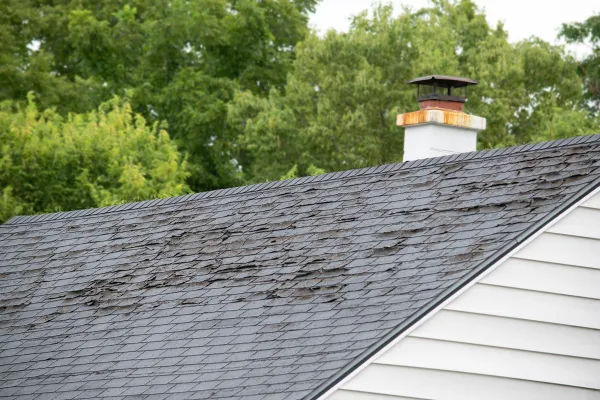
Shingles are your roof's first and most visible line of defense against water. When they crack, curl, blister, or go missing entirely, they leave the underlayment and decking beneath them exposed to direct rainfall.
Shingle damage happens for several reasons — storm impact, prolonged UV exposure, age-related wear, and poor initial installation. A single missing shingle creates an immediate vulnerability. A section of cracked or curling shingles means the waterproofing layer across a larger area is compromised.
What to watch for:
Shingles that are visibly cracked, curling at the edges, or blistering on the surface
Dark patches or bare spots where granules have worn away
Shingle pieces or granules collecting in gutters or on the ground after a storm
Any area of the roof that looks uneven, raised, or discolored compared to the surrounding surface
Shingle damage caught early is almost always a targeted repair. Left unaddressed, water infiltration spreads to the decking and framing, turning a simple shingle replacement into a much larger and costlier project.
2. Flashing Failures
Flashing is the thin metal material — typically aluminum or galvanized steel — installed at every point where the roof meets a vertical surface or changes direction. Chimneys, skylights, vent pipes, dormers, and roof valleys all rely on properly installed and sealed flashing to keep water out.
Flashing fails for several reasons. It can lift or separate during high winds. Sealant around flashing joints dries out and cracks over time. Rust and corrosion weaken the metal itself. And improperly installed flashing — a common result of low-quality roofing work — fails much sooner than it should.
Because flashing sits at seams and transitions, water naturally flows toward these points. When the flashing seal is broken, those are exactly the spots water enters.
What to watch for:
Visible gaps or separation around the chimney base or skylight edges
Rust staining or discoloration on metal flashing
Flashing that appears lifted, bent, or pulled away from the roof surface
Water stains on interior walls or ceilings near chimneys, skylights, or dormers
Flashing repairs are relatively straightforward when caught early. A professional inspection after any major storm should always include a close examination of every flashing point on the roof.
3. Clogged or Damaged Gutters
Gutters play a direct role in roof health. When they clog with leaves, debris, and shingle granules, water backs up along the roofline instead of draining away. That standing water sits against the fascia board, seeps under the shingles at the roof edge, and eventually works its way into the decking and attic.
In colder months, clogged gutters contribute to ice dam formation — a condition where water freezes at the roof edge and forces ice and moisture back under the shingles. Ice dams are one of the most damaging winter roofing conditions a home can experience.
What to watch for:
Gutters overflowing during or after rainfall
Water stains along the fascia or siding directly below gutter sections
Gutters visibly sagging or pulling away from the roofline
Ice buildup along the roof edge or icicles forming from the gutters in winter
Keeping gutters clean and properly pitched is one of the simplest and most effective ways to prevent roof leaks. It's also one of the most commonly overlooked maintenance tasks.
4. Worn or Damaged Roof Valleys
A roof valley is the V-shaped channel formed where two roof slopes meet. Because water from both sides of the roof converges in the valley, it carries a higher volume of flow than any other part of the roofing system. That constant high-volume water flow makes valleys particularly vulnerable to wear and damage.
Open metal valleys and closed shingle valleys both require proper installation and ongoing maintenance. Debris accumulation in valleys creates damming. Cracked or worn valley flashing allows water to penetrate at the seam. And shingles that weren't properly cut and sealed at the valley edges create gaps that funnel water directly into the roof structure.
What to watch for:
Dark streaking or staining running down the valley line
Visible cracks, gaps, or missing material along the valley seam
Debris accumulation that isn't clearing after rainfall
Water stains on interior ceilings directly below roof valley lines
5. Cracked or Deteriorated Pipe Boots and Vent Flashing
Every roof has multiple penetration points — plumbing vents, exhaust fans, and HVAC pipes that pass through the roof surface. Each of these penetrations is sealed with a flashing collar or rubber boot that creates a watertight seal around the pipe.
Rubber pipe boots are particularly vulnerable to deterioration. UV exposure, temperature cycling, and age cause the rubber to crack, shrink, and pull away from the pipe. When the seal breaks, water flows straight down the pipe and into the structure below — often appearing as a ceiling leak directly below the bathroom or kitchen.
What to watch for:
Cracked, torn, or visibly deteriorated rubber around any pipe or vent penetration
Water stains on ceilings directly below bathroom vents or plumbing stack locations
Any pipe penetration where the boot material appears shrunken or separated from the pipe surface
Pipe boot replacement is a relatively inexpensive repair when addressed proactively. Left unaddressed, the water infiltration it causes reaches decking, insulation, and framing before becoming visible inside the home.
6. Improper Attic Ventilation
This is one of the least understood causes of roof damage and leaks. Your attic needs to breathe — a balanced system of intake vents at the soffits and exhaust vents at the ridge keeps air moving through the attic space. When that ventilation is inadequate or blocked, several damaging conditions develop.
In summer, trapped heat in a poorly ventilated attic bakes the shingles from underneath, accelerating aging and causing premature cracking and curling. In winter, warm air from the living space rises into the attic, hits the cold roof deck, and condenses. That moisture accumulates on the decking and framing, causing rot and mold even without any exterior water intrusion.
Improper ventilation also contributes to ice dam formation by keeping the roof deck unevenly warm — melting snow in some areas while it refreezes at the cold eaves.
What to watch for:
Attic that feels excessively hot in summer or shows frost on the decking in winter
Mold or dark staining on attic framing or insulation
Shingles that are aging or curling faster than expected for their age
Ice dams forming along the roof edge in cold weather
7. Age-Related Wear and Deterioration
Every roofing material has a service life. Asphalt shingles typically last 20 to 30 years depending on quality and climate exposure. As a roof approaches the end of that lifespan, the cumulative effects of UV exposure, temperature cycling, wind, rain, and storm impact take their toll.
Granule loss accelerates. Shingles become brittle and crack more easily. Sealant strips lose adhesion. Flashing sealants dry out. And the underlayment beneath the shingles — the secondary waterproofing layer — degrades to the point where it no longer provides meaningful protection.
An aging roof doesn't fail all at once. It develops multiple small vulnerabilities across its surface simultaneously, making leaks increasingly likely with every rain event.
What to watch for:
A roof that is approaching or past 20 years old
Widespread granule loss visible in gutters and on the ground
Multiple areas of the roof showing shingle cracking, curling, or discoloration
Increasing frequency of minor leaks or repairs over recent years
When a roof reaches this stage, ongoing repairs become less cost-effective than a full replacement. A professional inspection will give you an honest assessment of where your roof stands and what the most sensible path forward looks like.
How to Prevent Roof Leaks
Prevention is always less expensive than repair. These are the most effective steps homeowners can take to reduce the risk of roof leaks:
Schedule regular professional inspections — A professional roof inspection twice a year — spring and fall — catches developing problems before they become active leaks. After any significant storm, an additional inspection is always worth scheduling.
Keep gutters clean and properly maintained — Clean gutters at least twice a year and after major storms. Ensure downspouts are directing water away from the foundation and that gutters are properly pitched toward the outlets.
Trim overhanging tree branches — Branches that hang over the roof deposit debris, scrape shingle surfaces during wind events, and create pathways for moisture and pests. Keeping branches trimmed back reduces debris accumulation and physical damage to shingles.
Address minor repairs immediately — A cracked pipe boot, a small flashing gap, or a few damaged shingles are inexpensive repairs when addressed promptly. The same issues left unattended for a season or two become significantly more costly as water damage spreads through the underlying structure.
Ensure proper attic ventilation — If your attic is excessively hot in summer or shows moisture accumulation in winter, have your ventilation system evaluated. Proper airflow protects both the roof structure and the interior of your home.
Know your roof's age — If your roof is approaching 20 years old, increase inspection frequency and start planning for replacement. Proactive replacement on your timeline is always less disruptive and less expensive than emergency replacement after a major failure.
Warning Signs a Roof Leak Is Already Developing
Even without climbing on the roof, there are signs inside and outside your home that a leak is developing:
Water stains or discoloration on ceilings or upper walls
Paint bubbling or peeling near the roofline or around windows
Damp or compressed insulation visible in the attic
Musty smell in upper rooms or the attic — often the first sign of moisture intrusion
Daylight visible through attic boards when the lights are off
Unexplained increases in heating or cooling costs — often caused by compromised insulation from moisture
If any of these are present, don't wait for the stain to grow or the drip to start. Call a professional and get an inspection scheduled before the damage spreads further.
When to Call a Professional
Some roof maintenance tasks — like keeping gutters clear or trimming nearby branches — are manageable for homeowners. But identifying the actual source of a leak, assessing hidden damage, and completing repairs correctly requires professional training, proper equipment, and roofing experience.
Call BT Roofing & Construction when:
You notice any interior water staining, ceiling discoloration, or moisture in the attic
Your roof has experienced a significant storm — even if nothing looks obviously wrong from the ground
Your roof is approaching or past 15 to 20 years old
You've had a repair done previously and the same area is showing moisture signs again
You want a professional assessment before buying or selling a home
You're unsure whether your roof needs repair or full replacement
A free inspection from BT Roofing & Construction gives you a clear, honest picture of your roof's condition — with no pressure and no surprise charges.
Why BT Roofing & Construction
BT Roofing & Construction is a licensed and insured roofing contractor serving homeowners across Anne Arundel County, Howard County, Prince George's County, Montgomery County, Baltimore City, and Baltimore County. Our team specializes in roof inspections, leak detection, targeted repairs, storm damage restoration, and full roof replacements — all backed by honest assessments, quality materials, and professional workmanship.
We know roofs. We know what causes leaks, where to find them, and how to fix them the right way the first time.
📞 Call +1 240-624-7887 to schedule your free roof inspection and estimate today.
FAQ: Roof Leaks
What is the most common cause of roof leaks? Flashing failures and damaged or missing shingles are the most frequent causes of residential roof leaks. Both create direct pathways for water to enter the roof structure and are often the result of storm damage, age-related wear, or improper installation.
How do I find where a roof leak is coming from? Roof leaks are notoriously difficult to trace because water travels along roof decking and framing before appearing inside the home. The interior stain is rarely directly below the actual entry point. A professional inspection with proper tools and roofing experience is the most reliable way to locate the true source of a leak.
Can a roof leak fix itself? No. Roof leaks do not resolve on their own. The underlying cause — damaged shingles, failed flashing, cracked pipe boots — remains in place and continues allowing water infiltration with every rain event. The damage compounds over time, making early action critical.
How much does it cost to repair a roof leak? Repair costs vary significantly depending on the cause, location, and extent of damage. Minor flashing repairs or shingle replacements are relatively inexpensive. Repairs that involve replacing decking, insulation, or structural framing are considerably more costly. Getting a professional inspection and estimate gives you an accurate picture specific to your situation.
How often should I have my roof inspected to prevent leaks? Twice a year — spring and fall — is the standard recommendation for most homes. After any significant storm, an additional inspection is always a smart precaution. Homes with older roofs or heavy tree coverage may benefit from more frequent professional assessments.
Don't Wait for the Drip to Start
Roof leaks don't announce themselves. They develop quietly — through small gaps, worn seals, and storm-damaged shingles — long before water appears inside your home. By the time you see the stain on your ceiling, the damage has already traveled through multiple layers of your roofing system.
The most effective strategy is prevention — regular inspections, prompt repairs, clean gutters, and knowing the warning signs that something is developing before it becomes an active leak.
BT Roofing & Construction is here to help. We serve homeowners across Maryland with free inspections, honest assessments, and professional roofing repairs backed by quality workmanship and fair pricing.
📞 Call +1 240-624-7887 today to schedule your free roof inspection and estimate.
